
$18.00
Nike · Price drop
A price drops after you buy. A delivery misses its guarantee. A return window closes. A warranty goes unclaimed. Clawback reads your receipts, works out what you’re owed, and writes the claim.
4
claim types detected
20
retailer policies encoded
0
emails sent without you
$18.00
Nike · Price drop

$51.45
ASOS · Return closing
$14.99
Amazon · Late delivery

$41.99
Best Buy · Warranty
You have
$0.00in unclaimed money across 4 claims
Nike · Price drop
ASOS · Return closing
Amazon · Late delivery
Best Buy · Warranty
The pipeline
Every forwarded receipt, shipping notice and sale email is classified and reduced to structured facts (retailer, items, prices, dates) under a strict schema, so the output always validates.
A sale email today changes what a receipt from last week means. Each email is matched to the purchase it belongs to by order number, or by fuzzy product matching when there isn't one.
Return windows, price-adjustment windows, warranty terms and delivery guarantees for 20 major retailers. Unknown retailers get an estimate, clearly labelled as low confidence.
Every claim carries an amount, the date it expires, and the policy line it rests on. Claims that already lapsed, or aren't yet urgent, stay off your dashboard.
Why it’s an agent
The claim only exists in the gap between two of them. That is the part a parser cannot do, and it is the whole product.
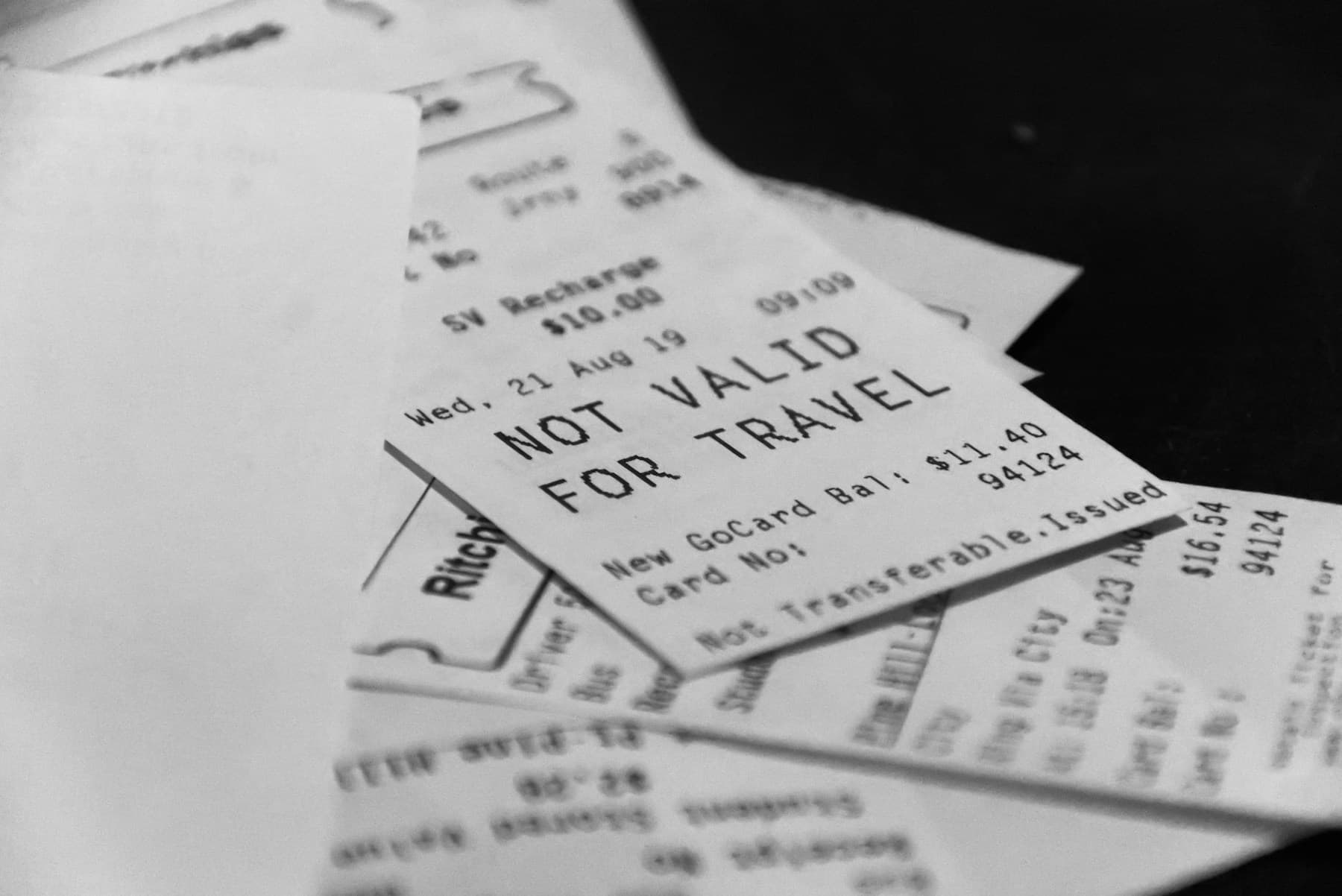
Guaranteed delivery: Aug 5
Delivered on Aug 8
Seven days apart. Neither mentions a refund.
Claim found
$14.99
Delivered 3 days past a guaranteed date. Amazon refunds the shipping fee when a delivery guarantee is missed.
Nobody reads the returns policy.
You bought the thing, got on with your life, and the shop quietly kept the difference. Clawback is the part of you that would have checked.
What it finds
$18.00
A later sale advertises something you already bought, inside the retailer's price-adjustment window. They refund the difference if you ask in time.
$14.99
The promised date lives in one email and the actual arrival in another. When a guarantee is missed, the shipping fee is refundable.
$51.45
Surfaced only when the window is about to close, so it reads as a deadline rather than noise. Miss it and the full amount is gone.
$41.99
A fault you mentioned months after buying, linked back to the original receipt and checked against the warranty period.
Trust
Clawback drafts; you read it and send it. That's a product decision, not a missing feature. Nothing goes out in your name without you.
Every claim links back to the emails it was built from and the policy line it rests on, with a link to verify on the retailer's own site.
Unknown retailers get estimated policies and a low-confidence label. A subscription price rise is detected, categorised, and reported as not yet supported.

The sample inbox runs the real pipeline: nine emails, four claims, one honest “not yet supported”. No account required.
Open the dashboard →